
Description
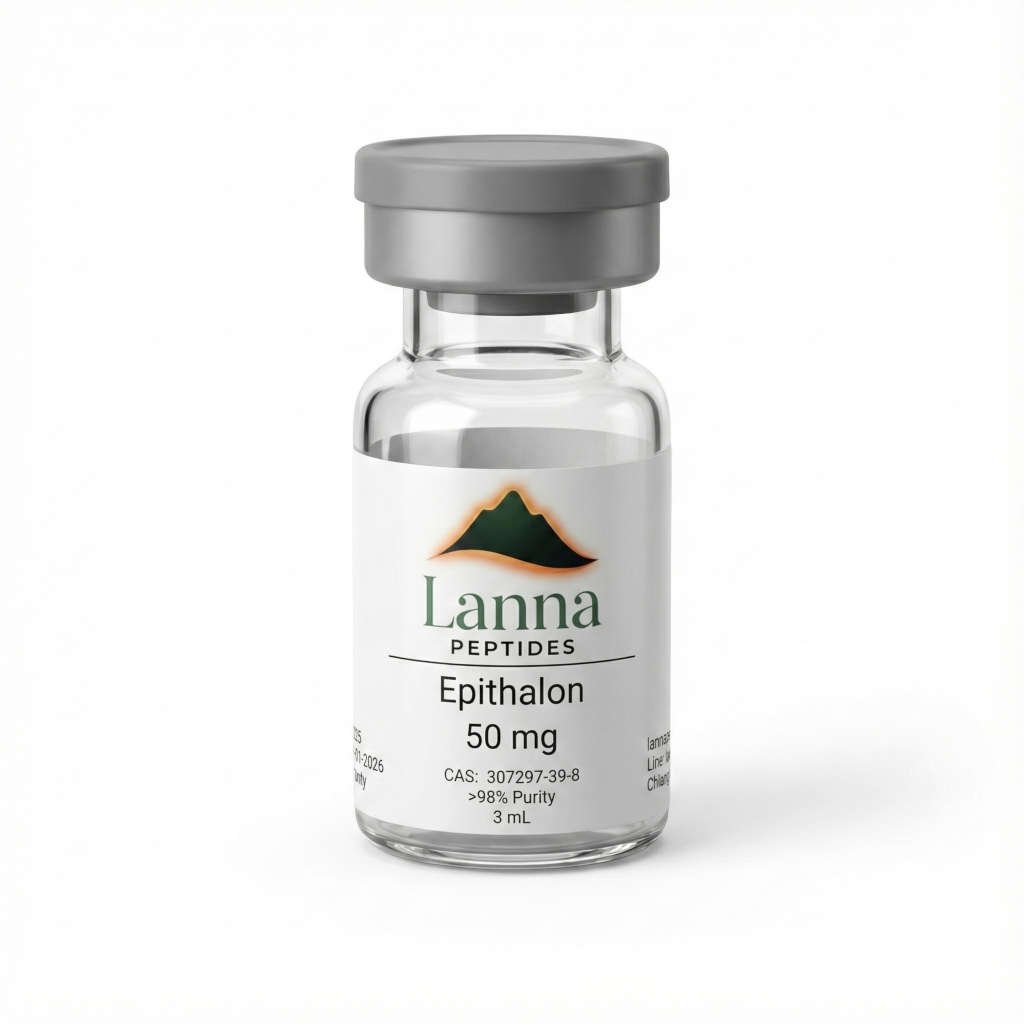
What is Epithalon?
Epithalon (Epitalon) is a synthetic tetrapeptide (Ala-Glu-Asp-Gly) based on the natural pineal gland extract Epithalamin. Discovered by Professor Vladimir Khavinson, it is a primary bioregulator of the endocrine system and is renowned for its potential geroprotective (anti-aging) effects. Its core mechanism involves the elongation of telomeres via telomerase activation and the regulation of circadian rhythms through melatonin normalization. Research suggests profound benefits for extending lifespan, suppressing tumors, and restoring immune function in aged populations, making it a cornerstone of longevity protocols.
Physiological Benefits
- ✔Geroprotective (Anti-Aging) Effects: By elongating telomeres and reducing oxidative stress, Epithalon has demonstrated the ability to increase mean and maximum lifespan in animal models and reduce all-cause mortality in elderly human subjects.
- ✔Restoration of Circadian Rhythms: Normalizes the natural production of melatonin, leading to improved sleep onset, duration, and quality, and re-synchronization of other hormonal cycles.
- ✔Enhanced Immune Function: Rejuvenates the thymus and restores T-cell function, combating age-related immunosenescence and improving resistance to infections.
- ✔Potent Antioxidant Activity: Upregulates the body’s own antioxidant systems, providing systemic protection against free radical damage to DNA, proteins, and lipids.
- ✔Neuroprotection: The normalization of endocrine rhythms and reduction of oxidative stress contribute to a healthier neurological environment, with some animal studies suggesting it can protect against age-related cognitive decline.
- ✔Improved Skin Health: By promoting cellular health and regeneration, anecdotal and some preclinical evidence suggest improvements in skin elasticity, hydration, and a reduction in fine lines.
- ✔Retinoprotective Properties: Human studies have shown that Epithalon can slow the progression of degenerative retinal diseases like retinitis pigmentosa by preserving photoreceptor function.
- ✔Cancer Risk Reduction (Preclinical): In multiple long-term animal studies, Epithalon administration significantly reduced the incidence of spontaneous tumors, likely through a combination of immune surveillance enhancement and direct gene regulation.
- ✔Normalization of Endocrine Function: Helps restore the youthful sensitivity of the hypothalamus to hormonal feedback, leading to better regulation of the entire HPA (Hypothalamic-Pituitary-Adrenal) axis.
- ✔Cardiovascular Health Improvement: Studies in elderly humans linked Epithalamin administration to improved lipid profiles, normalized blood pressure, and better ECG parameters, contributing to reduced cardiovascular mortality.
Use Cases
The primary use case. Administered in cycles (e.g., twice a year) with the goal of slowing the biological aging process at a cellular level.
Used to treat insomnia, jet lag, or shift-work disorder by restoring the natural melatonin production cycle.
For individuals with age-related immune decline or those seeking to bolster their immune defenses, particularly during seasonal illnesses.
Investigated for its potential to restore hematopoietic and immune function following cancer treatments that damage these systems.
While not a performance-enhancer in the traditional sense, athletes use it to improve recovery, enhance sleep quality, and potentially extend their career longevity by mitigating cellular wear-and-tear.
Used in cosmetic and anti-aging contexts, often alongside other peptides, to improve skin health from the inside out.
Explored in preclinical models as a potential agent to slow the progression of age-related cognitive decline by reducing oxidative stress and supporting cellular health.
Used in clinical settings in Russia for patients with conditions like retinitis pigmentosa to preserve vision.
By normalizing the HPA axis and cortisol rhythms, it can be used as part of a protocol to combat the physiological effects of long-term stress.
Common Research Protocols
⚠ Research Use Only
The following data is for educational purposes only. Lanna Peptides compounds are not for human consumption.
| Route | Typical Dosage Range | Frequency | Notes | |
|---|---|---|---|---|
| Subcutaneous (SubQ) Injection | 5 – 10 mg | Once daily, typically in the morning. | The Classic Khavinson Protocol: 10 mg/day for 10 consecutive days. This cycle is repeated every 6 months. This is the most well-documented protocol from the Russian human studies. | |
| Subcutaneous (SubQ) Injection | 1 – 3 mg | Once daily, in the morning. | Lower Dose / Longer Cycle: A common protocol in the biohacking community is to use a lower dose for a longer period, such as 20-30 days, or even microdosing (100-500 mcg) daily for several months. The scientific backing for these variations is less robust. |
Need more technical data?
For a comprehensive analysis including Mechanism of Action, Chemical Structure, Pharmacokinetics, and complete Safety Profile, click the button below to review the full Clinical Summary of Epithalon.
Reviews
There are no reviews yet.