
Description
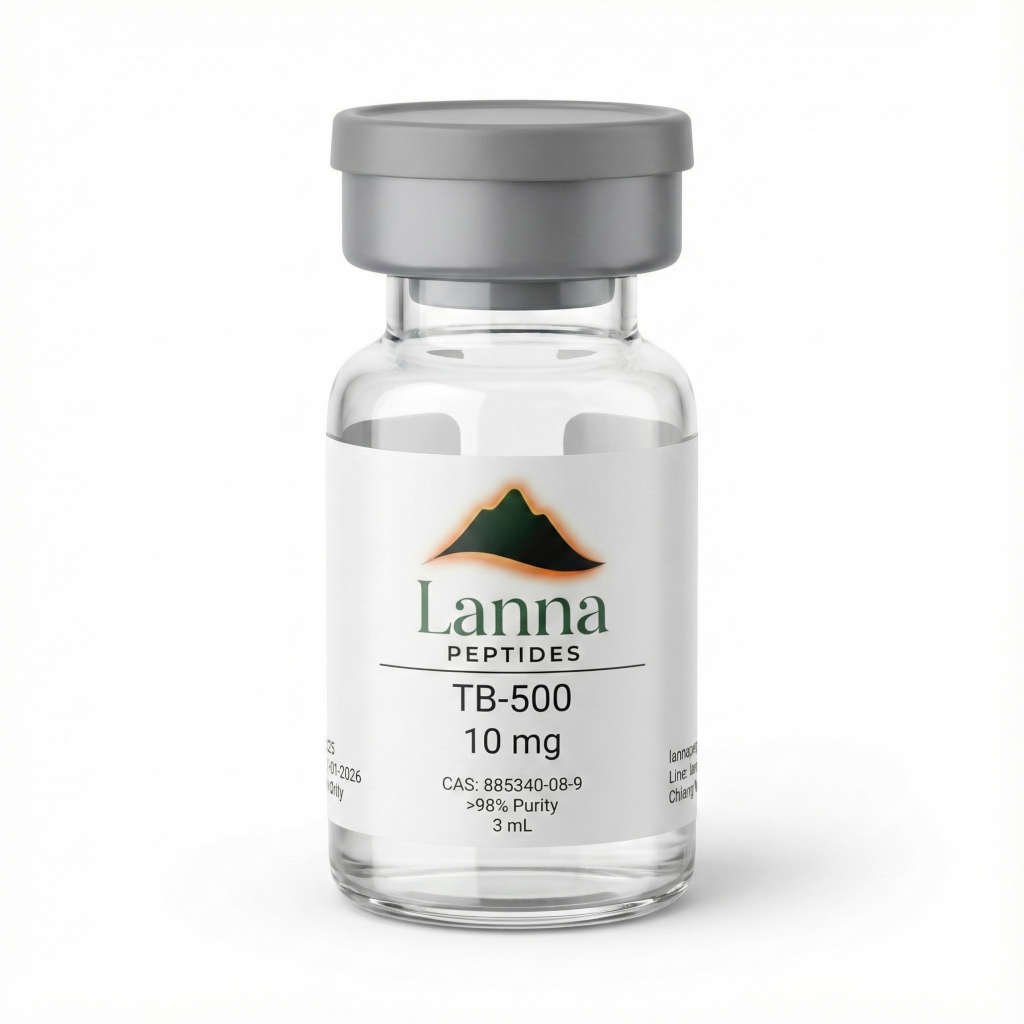
What is TB-500?
TB-500 is a synthetic version of the naturally occurring peptide Thymosin Beta-4 (Tβ4). It is a major actin-sequestering protein that plays a vital role in cell migration, angiogenesis, and tissue regeneration. TB-500 is renowned for its ability to accelerate the healing of muscle, tendon, ligament, and skin injuries. Its systemic anti-inflammatory effects and potential to prevent fibrosis make it a staple in sports medicine and injury recovery protocols.
Synergy Note: This peptide is frequently stacked with BPC-157. When used together, they may offer a synergistic effect, potentially accelerating the repair of muscles, tendons, and ligaments more effectively than either compound alone.
Physiological Benefits
- ✔Accelerated Wound Healing: Promotes rapid healing of skin (cuts, burns), corneas, and internal organs by stimulating keratinocyte and endothelial cell migration.
- ✔Enhanced Muscle Repair: Speeds recovery from muscle tears, strains, and contusions by promoting myoblast differentiation and reducing inflammation.
- ✔Tendon and Ligament Repair: Improves the healing of connective tissues by increasing angiogenesis, reducing scar tissue, and enhancing collagen deposition.
- ✔Cardioprotective Effects: Protects heart tissue from ischemic damage (heart attack), promotes the growth of new blood vessels in the heart, and reduces cardiac fibrosis.
- ✔Potent Anti-Inflammatory Action: Systemically reduces chronic and acute inflammation, beneficial for conditions ranging from arthritis to inflammatory bowel disease (in animal models).
- ✔Neuroprotection and Neuroregeneration: Shown in animal models to protect neurons from cell death after stroke or traumatic brain injury (TBI) and to promote the growth of new neural pathways.
- ✔Improved Joint Health and Mobility: Reduces inflammation in joints and helps repair soft tissues, leading to decreased pain and increased flexibility.
- ✔Stimulation of Hair Growth: Promotes the migration of hair follicle stem cells and accelerates the transition of follicles into the anagen (growth) phase.
- ✔Gastrointestinal Repair: Preclinical studies show it can accelerate the healing of gastric ulcers and reduce inflammation in models of colitis.
- ✔Ocular Surface Repair: Clinically demonstrated to heal corneal injuries and alleviate symptoms of severe dry eye syndrome (as RGN-259).
- ✔Reduction of Fibrosis: By modulating ECM remodeling and inflammation, it helps prevent the formation of excessive scar tissue in organs like the heart, liver, and lungs.
Use Cases
The most common use case. For acute and chronic injuries like tendonitis (e.g., tennis elbow), ligament sprains, and muscle tears. SubQ or IM injections are used to promote systemic healing.
Administered after surgery to accelerate wound closure, reduce inflammation and swelling, and minimize scarring.
Used by athletes to reduce downtime from injuries and to manage the cumulative micro-trauma associated with intense training.
Investigational use based on animal models showing it can reduce neuronal damage and improve functional recovery.
Researched for its potential to aid recovery after a myocardial infarction by preserving cardiac muscle and improving blood flow.
As the topical formulation RGN-259, it is used in clinical trials to heal the surface of the eye.
Explored for systemic inflammatory issues like arthritis or IBD, where its anti-inflammatory properties can be leveraged.
For non-healing wounds like diabetic foot ulcers or pressure sores, where its angiogenic properties are critical.
Some users explore it for its potential to improve overall tissue quality, skin elasticity, and joint health as part of a longevity protocol.
Applied topically or used systemically to stimulate dormant hair follicles.
Investigated for conditions involving excessive scarring, such as pulmonary or liver fibrosis.
Common Research Protocols
⚠ Research Use Only
The following data is for educational purposes only. Lanna Peptides compounds are not for human consumption.
| Route | Typical Dosage Range | Frequency | Notes / Cycle Structure | |
|---|---|---|---|---|
| Subcutaneous (SubQ) / Intramuscular (IM) | Loading Phase: 2.0 – 5.0 mg per injection | 2-3 times per week | Duration: 4-6 weeks. This initial phase is designed to saturate tissues and kickstart the healing process. | |
| Subcutaneous (SubQ) / Intramuscular (IM) | Maintenance Phase: 2.0 – 5.0 mg per injection | 1-2 times per month | Duration: Ongoing, as needed. Used for maintaining benefits or for general recovery from strenuous activity. |
Need more technical data?
For a comprehensive analysis including Mechanism of Action, Chemical Structure, Pharmacokinetics, and complete Safety Profile, click the button below to review the full Clinical Summary of TB-500.
Reviews
There are no reviews yet.